Mold in Your Rental? What Florida Tenants and Landlords Need to Know
Florida Licensed Mold Assessor; MRSA #3958
Mold in a Florida Rental: What the Law Says About Responsibility
I get calls every week from tenants who found mold in their apartment and do not know what to do. I also get calls from landlords who received a mold complaint and are not sure what their legal obligation is. Here is the reality: Florida does not have a specific 'mold statute' for rental properties. But that does not mean there are no rules. The answer lives in Florida Statute 83.51, the implied warranty of habitability, and it protects both sides when handled correctly.
Florida Statute 83.51 establishes the landlord's obligation to maintain rental premises in compliance with building, housing, and health codes. → Florida Statutes 83.51
Tenant Rights Under Florida Statute 83.56 and the 7-Day Notice
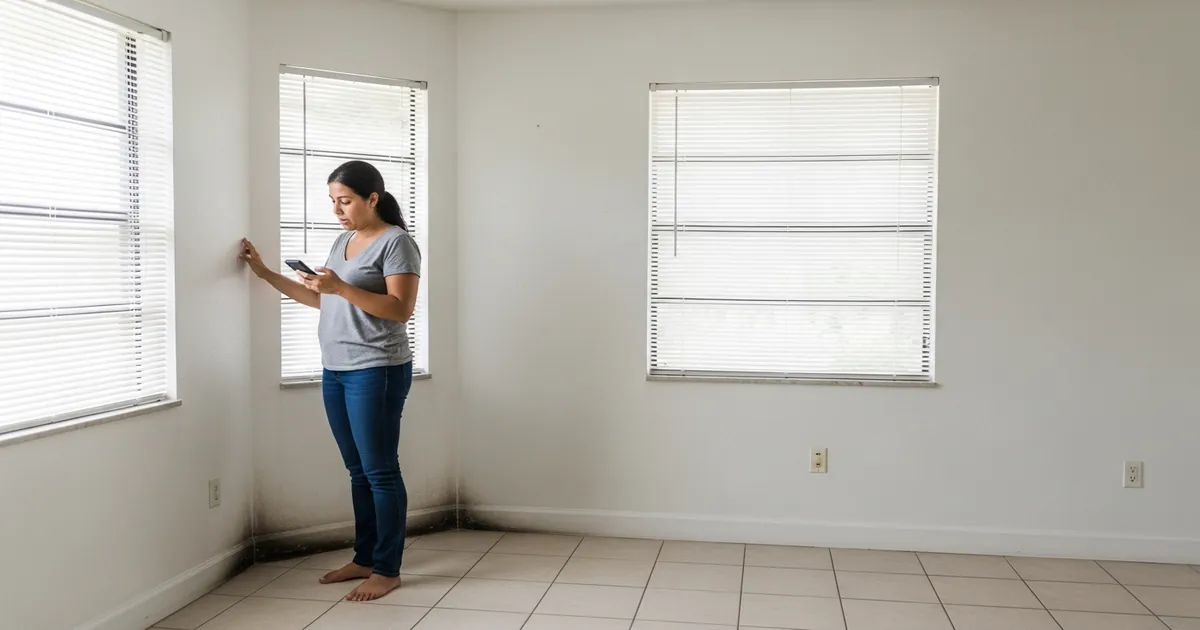
If you are a tenant and you find mold, here is what I recommend based on what I have seen work. First, document everything with dated photos and videos. Second, notify your landlord in writing (not just a text). Florida Statute 83.56 allows you to send a 7-day notice requiring the landlord to address conditions that affect health or safety. Mold caused by a plumbing leak or roof failure falls under this. Third, and this is the part most people skip: get an independent mold assessment before the landlord sends their own contractor. Why? Because the landlord's contractor has an incentive to minimize the problem. An independent report from a licensed MRSA assessor gives you documentation that holds up in court if it comes to that. I have seen tenants recover their full security deposit and break leases without penalty because they had a legitimate assessment report.
Florida Statute 83.56 outlines the tenant's right to deliver written notice requiring the landlord to remedy conditions that materially affect health or safety within 7 days. → Florida Statutes 83.56
Landlord Obligations Under Florida Statute 83.51
If you are a landlord, do not ignore a mold complaint. Under Section 83.51, you are required to maintain the property in a condition that does not endanger health. Mold caused by structural issues (roof leaks, plumbing failures, poor ventilation) is your responsibility. Mold caused by tenant behavior (never running the AC, blocking vents, not reporting leaks) falls on the tenant. The problem is proving which is which. That is where an independent assessment saves you. When I inspect a rental property, the report documents the moisture source. If the mold is caused by a plumbing leak behind the wall, that is on you. If it is caused by the tenant storing wet items in a closed closet, the report shows that too. Either way, you have documentation instead of a he-said-she-said situation.
Why Both Parties Benefit From an Independent Mold Assessment
Whether you are a tenant or a landlord, the worst thing you can do is wait. Mold in Florida grows fast, especially between May and October when humidity regularly exceeds 70%. A small patch behind the bathroom vanity can spread to the entire wall cavity within weeks. An independent assessment costs a fraction of what remediation costs, and it gives both parties a clear, unbiased picture of the situation. Do not rely on the remediation company's 'free inspection' because their incentive is to sell you the biggest job possible.
