Typical Mold Inspection Pricing in Miami
In Miami-Dade, professional mold assessments from a Florida licensed assessor (MRSA license required by Florida Statute 468.8419) generally fall in the following ranges:
- Basic visual mold inspection: starting at $249.99 for single-family homes up to roughly 2,000 sq ft.
- Mold testing add-on (air or surface samples, AIHA-accredited lab): starting at $249.99 (includes 2 capsules: 1 indoor + 1 outdoor, or 2 surface samples). Each additional capsule: $75.
- Indoor air quality assessment: starting at $249.99 for spore + contaminant analysis (includes 2 capsules: 1 indoor + 1 outdoor). Each additional capsule: $75.
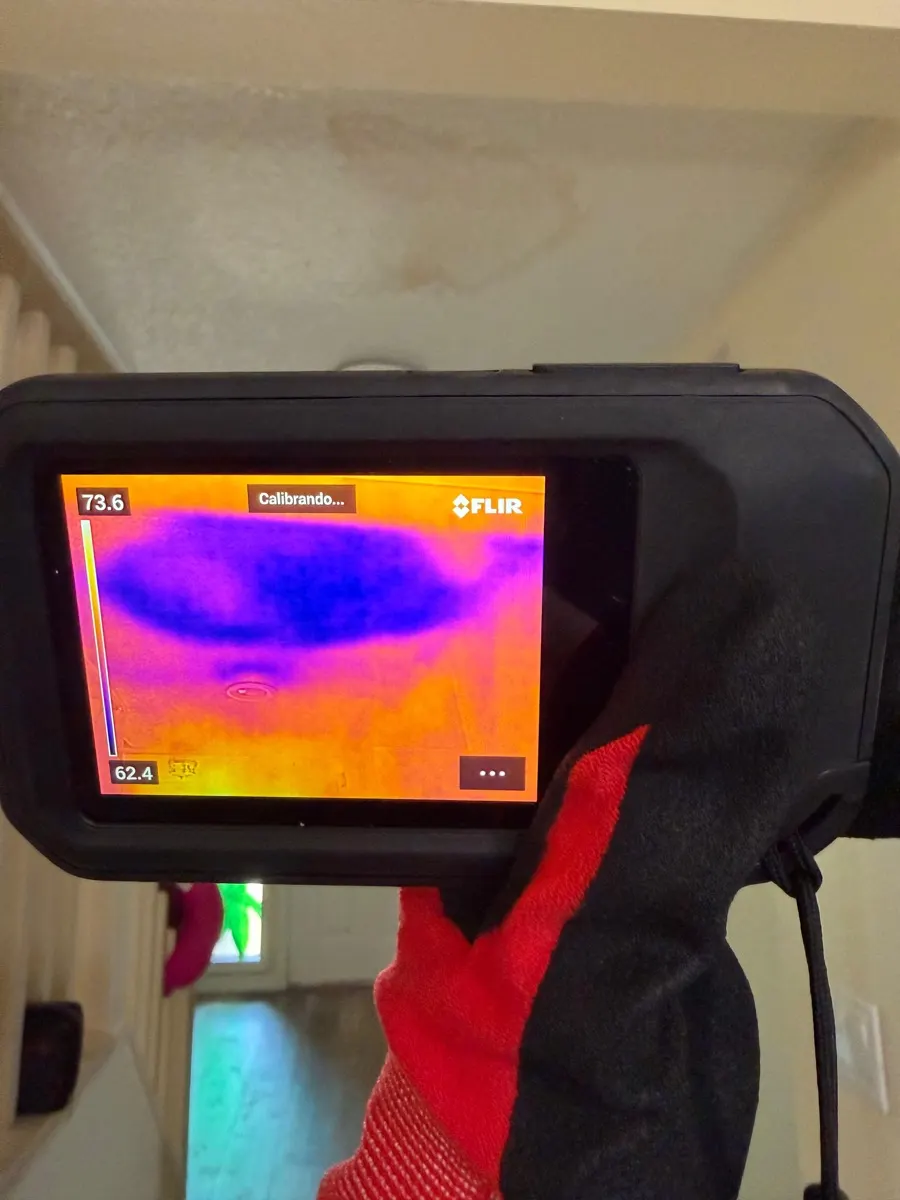
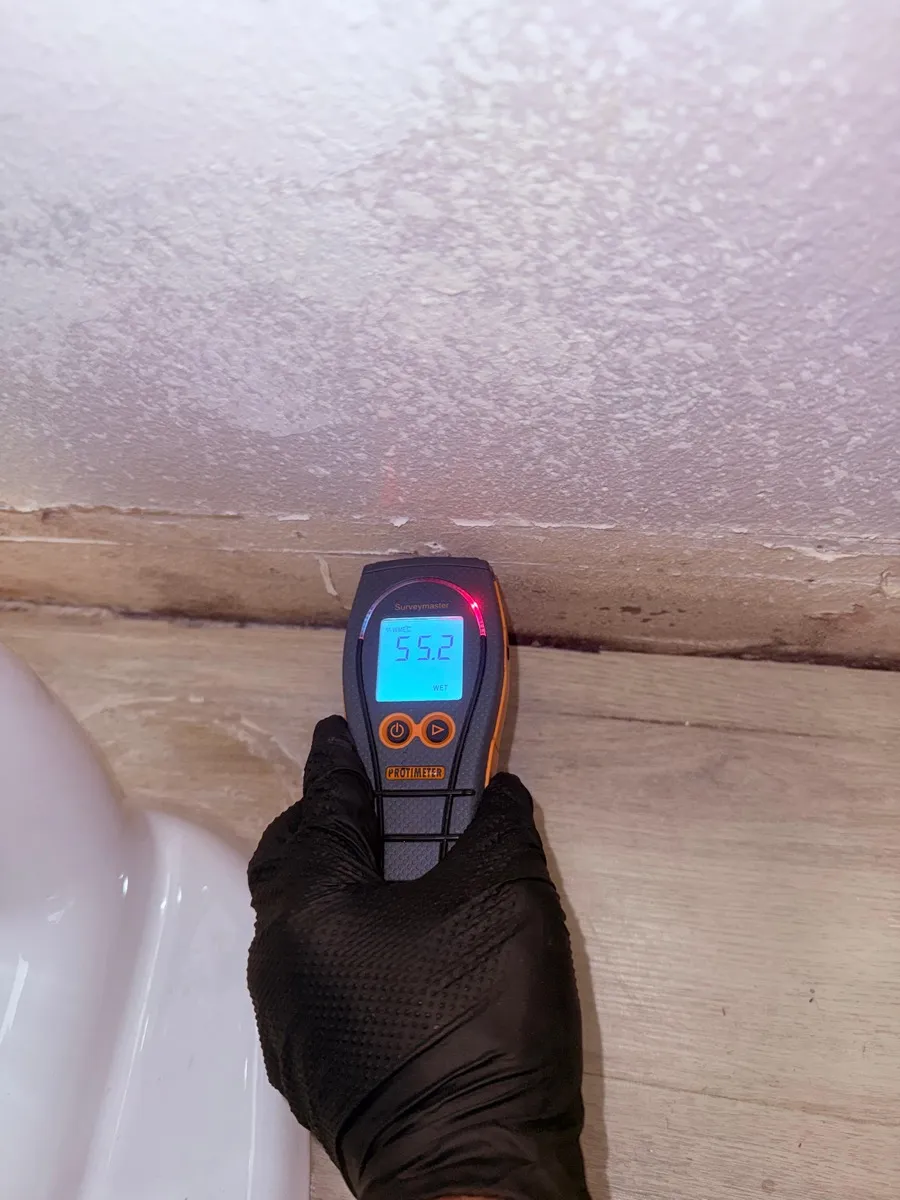
- Non-invasive diagnostics (FLIR thermal imaging, moisture mapping): $179 as an add-on or $349 standalone.
- Larger homes, multi-unit buildings, or commercial spaces: custom quote required (outside our standard $249.99-$549 residential tiers).
See full breakdowns on our pricing page and the per-service detail on mold inspection and mold testing.
Real Miami Mold Inspection Quotes From Recent Jobs
These anonymized Miami examples show how final quotes vary by square footage, number of lab samples, access, and inspection scope.
| Neighborhood | Property type | Sq ft | Lab samples | Final quote | Notes |
|---|---|---|---|---|---|
| Brickell | Apartment | 1,200 | 5 | $599 | Custom quote due to 5 lab samples |
| Coral Gables | Single-family home | 3,000 | 4 | $550 | Large property near standard tier ceiling |
| Doral | Apartment | 900 | 2 | $349 | Standard residential tier |
| Hialeah | Single-family home | 1,100 | 3 | $425 | Standard residential tier |
| Aventura | Condo | 1,400 | 4 | $499 | Standard residential tier |
| Kendall | Single-family home | 1,600 | 6 | $650 | Custom quote due to 6 lab samples |
| Coconut Grove | Condo | 1,800 | 4 | $499 | Standard residential tier |
These examples are not a new price list. Most standard residential inspections fall inside the published $249.99-$549 tier. Larger homes, multi-zone HVAC systems, difficult access, or inspections requiring additional lab samples may require a custom quote.
What Changes the Price
- Square footage and number of zones: a 1,200 sq ft condo with one HVAC zone takes less time than a 4,000 sq ft single-family home with three zones.
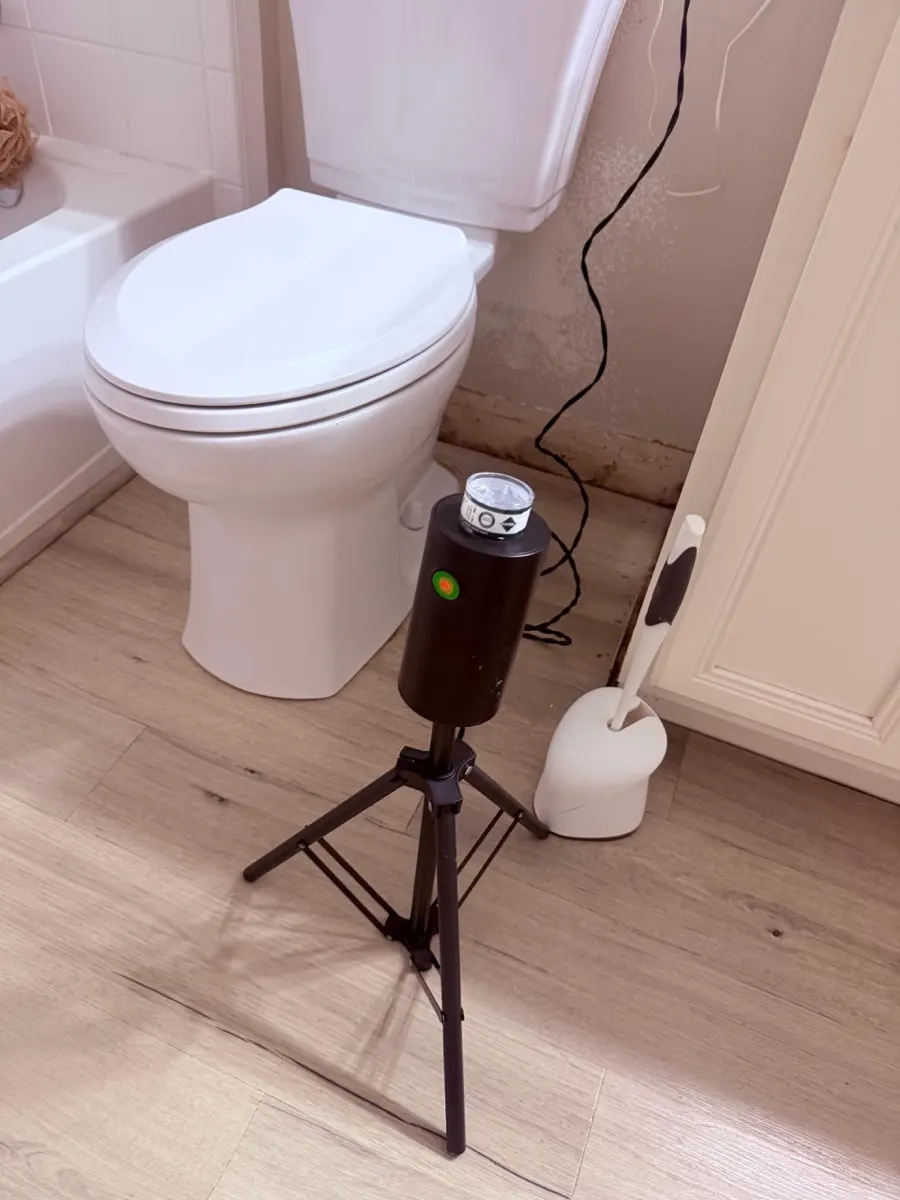
- Number of lab samples: each air or surface sample sent to an AIHA-accredited lab adds material cost. Most homes need between 2 and 6 samples.
- Type of test: viable cultures, spore traps, ERMI, or surface tape lifts each carry different lab costs.
- Access conditions: crawlspaces, attics with pulldown ladders, and tight HVAC closets take longer.
- Turnaround urgency: standard reports are delivered in 24 to 48 hours. Same-day rush turnaround is offered for closings and insurance deadlines and may carry a premium.
What a Fair Quote Should Include
- A licensed Florida mold assessor named on the quote (verify the MRSA license number).
- Visual inspection of accessible interior, attic, and HVAC areas.
- Moisture mapping with calibrated meters.
- FLIR thermal imaging where appropriate.
- Lab analysis from an independent AIHA-accredited laboratory.
- Written report including species identification, spore counts, photo documentation, chain of custody, and a clear narrative tying findings to moisture sources.
- An assessment-only relationship: your assessor should not be the same company that performs the remediation.
Why 'Free Mold Inspection' Often Costs You Thousands
"Free mold inspection" offers from companies that also sell remediation are loss leaders. The inspector has a financial incentive to find a problem because the same company stands to bid the cleanup. Florida Statute 468.8419 specifically separates assessment from remediation for this reason.
A typical pattern: the free inspector "discovers" widespread contamination, hands the homeowner a $5,000 to $15,000 remediation quote, and leaves no time to seek an independent second opinion. Paying our standard $249.99-$549 tier today for a truly independent assessment from a licensed assessor often saves several thousand dollars in unnecessary remediation later.
Read more on this dynamic in our guide on free mold testing in Florida and our explainer on independent mold assessment.
Insurance and the Cost Question
Many Florida homeowners insurance policies cover mold testing when there is a documented water-damage event. Our reports are designed to meet the documentation standards adjusters look for: licensed assessor identification, AIHA-accredited lab analysis, species identification, moisture readings, and photographic chain of custody. We make no guarantee about your specific policy, but the right report meaningfully improves the odds of a clean claim.
Background reading: mold insurance claims documentation in Florida.
When You Probably Don't Need a Mold Inspection
An honest pricing page should also explain when testing may not be necessary. The four situations below often resolve with basic cleaning, ventilation, and a short observation window before any lab work is justified.
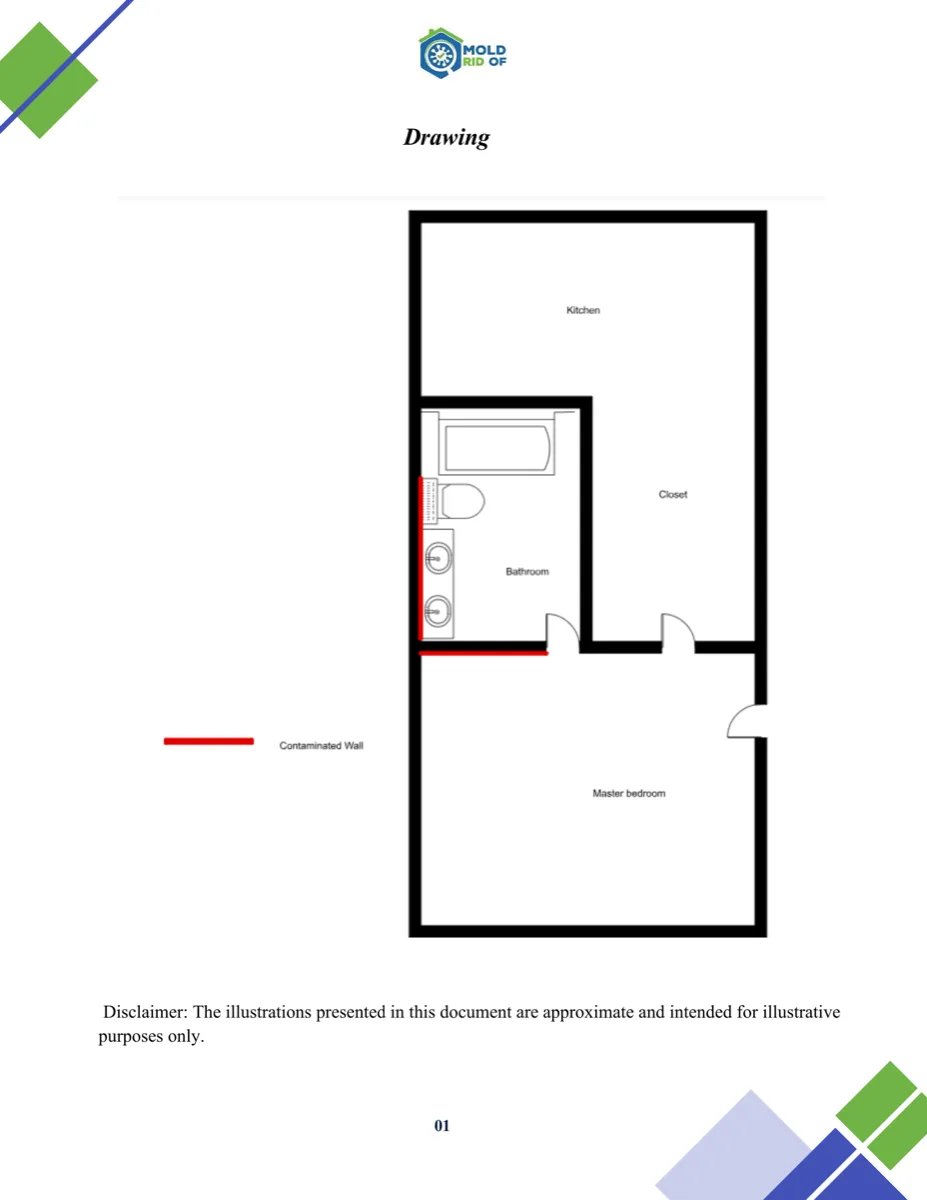
1. Pink or pink-orange bathroom growth. Pink or pink-orange growth around showers, sinks, or grout is often surface biofilm or bacteria associated with soap residue and moisture, not a full-property mold problem. Try cleaning, drying, and improving ventilation first. A mold inspection becomes more relevant if the growth persists after cleaning, spreads beyond the wet area, returns quickly, comes with a musty odor, or follows a known water intrusion.
2. Shower-only visible surface growth under 10 sq ft. If the growth is visibly contained to a small shower area, caulk line, tile grout, or shower curtain, and the moisture source is obvious, cleaning and ventilation may be the right first step. Testing is usually more useful when growth extends beyond the shower, affects building materials, or suggests hidden moisture.
3. Lack of cleaning, soap scum, or biofilm. Bathrooms and kitchens collect soap residue, dust, and organic film that can look like microbial growth. If it wipes away with normal cleaning and does not return after better ventilation and regular cleaning, lab testing is usually unnecessary.
4. No symptoms, no odor, no visible growth, no water history. If there is no musty odor, no visible growth, no known water intrusion, and no occupant concern, an inspection is optional rather than urgent. Reconsider after a roof leak, plumbing leak, AC overflow, storm event, real estate transaction, insurance claim, or persistent unexplained odor.
You should consider an inspection when there is visible growth beyond a small surface area, persistent musty odor, recent water intrusion, unexplained moisture readings, a real estate transaction, insurance documentation need, or occupant concern that should be discussed with a healthcare professional.

