Can You Break a Lease for Mold in Florida? The Two Legal Paths
Florida Licensed Mold Assessor; MRSA #3958
Breaking a Lease for Mold in Florida: The Two Legal Doors
Florida tenants facing mold that the landlord will not address often reach the same conclusion: the unit is no longer safe, and they need to leave. The legal question is whether they can leave without paying an early-termination penalty, without losing the security deposit, and without damaging their rental history. Florida law provides two distinct paths to terminate a lease over mold. The statutory path under Florida Statute 83.56(1)(a) is the cleaner, faster option when the facts fit. The common-law path, constructive eviction, covers situations where the statutory path does not quite fit or where the landlord's behavior has been nonresponsive over a longer period. Neither path allows the tenant to simply walk out and stop paying rent. Both require documentation, both require legal formality, and both are dramatically strengthened by an independent MRSA #3958 assessment report. This article walks through which path applies to your situation, what each path requires, and how to execute the termination without creating new legal problems for yourself.
Your Two Options Side by Side: Statutory 83.56 vs Common-Law Constructive Eviction
Before deciding which path to use, Florida tenants should understand the full menu of options. Option one: stay and repair. The statute allows tenants to repair minor defects at landlord expense under Florida Statute 83.201, but mold is rarely a DIY repair. Option two: stay and withhold rent in proportion to reduced rental value under Statute 83.56(1)(b). This keeps the tenant housed while pressuring the landlord, but creates eviction risk. Option three: terminate under Statute 83.56(1)(a) after proper 7-day notice. This is the statutory lease-break path, covered in detail below. Option four: vacate under constructive eviction and seek return of deposit and damages. This is the common-law path, also covered below. Option five: continue paying rent while pursuing a damages claim in civil court. Rarely a good fit for an active mold situation, but occasionally used when the tenant has already been affected but has not suffered sufficient loss of use to justify termination. Which option is right depends on the severity of the mold, the landlord's response, the tenant's financial situation, and the strength of the documentation.
The Statutory Path Under Florida Statute 83.56(1)(a): Clean and Fast
The statutory path under Florida Statute 83.56(1)(a) is the preferred route when the facts fit. The statute allows the tenant to terminate the lease if the landlord fails to cure a material noncompliance within 7 days of proper written notice. Mold caused by a landlord-responsibility moisture source qualifies as a material noncompliance when it materially affects health or safety. The procedural sequence is exactly the same as a withholding case: document the mold, deliver a written 7-day notice by certified mail, wait 7 days, and if the landlord has not cured, vacate immediately after the 7-day period expires. The tenant's financial rights upon proper termination include: prorated refund of rent from the date of vacating to the end of the paid period, return of the full security deposit, return of any prepaid rent, and potentially damages for the diminished use of the premises during the notice period. The statutory path takes 7 days from notice delivery to lease termination, plus 15 to 30 days after vacating to recover the deposit. Documentation is everything, and a licensed MRSA assessment report is often the difference between a clean termination and a contested security deposit claim.
Florida Statute 83.56(1)(a) allows tenants to terminate the lease if the landlord fails to cure a material noncompliance within 7 days of proper written notice. → Florida Statutes 83.56
The Constructive Eviction Doctrine: When the Statutory Path Does Not Fit
The common-law path, constructive eviction, applies when the statutory path does not quite fit. Constructive eviction is a Florida common-law doctrine that treats the tenant as legally 'evicted' when the landlord's breach of habitability is so severe that the tenant is forced to vacate. The elements are: the landlord's acts or omissions must be so substantial that the premises are effectively uninhabitable, the tenant must actually vacate within a reasonable time after the breach, and the tenant must give the landlord reasonable notice and opportunity to cure. Florida courts have applied constructive eviction to severe mold situations where the tenant has given the landlord multiple notices over weeks or months without response. Unlike the statutory path, constructive eviction does not have a strict 7-day window; it is evaluated based on the totality of circumstances. The downside is that constructive eviction is inherently more litigation-prone. The tenant vacates first, then sues (or defends against a landlord's lawsuit) with the argument that the landlord's failure forced the vacancy. The statutory path produces an outcome faster with less legal risk. Constructive eviction is the fallback when the facts or timing have made the statutory path impossible.
The doctrine of constructive eviction under Florida common law allows tenants to vacate a property when the landlord's failure to maintain habitability makes the unit effectively uninhabitable. → The Florida Bar
The Process From Notice to Keys Turned In
Execution matters more than theory. To terminate under Statute 83.56(1)(a), the tenant should: first, order an independent MRSA #3958 assessment; second, deliver a written 7-day notice by certified mail; third, continue paying rent through the end of the paid period (withholding rent and terminating create different legal records, do not mix them); fourth, document everything including photographs, communications, and the assessment report; fifth, wait 7 days; sixth, if the landlord has not cured, vacate immediately and send a written notice of termination citing Florida Statute 83.56(1)(a); seventh, return the keys in person or by certified mail to create a clean handoff record; eighth, send a written demand for return of the security deposit and prepaid rent within 15 days; ninth, if the deposit is not returned, file a small claims action under Florida Statute 83.49. To terminate under constructive eviction, the sequence is similar but the notice period is longer and the documentation burden higher. Consult a Florida tenant attorney before executing a constructive eviction because the legal theory is more complex and the risks of getting it wrong are higher.
The Documentation Package That Protects the Tenant After Vacating
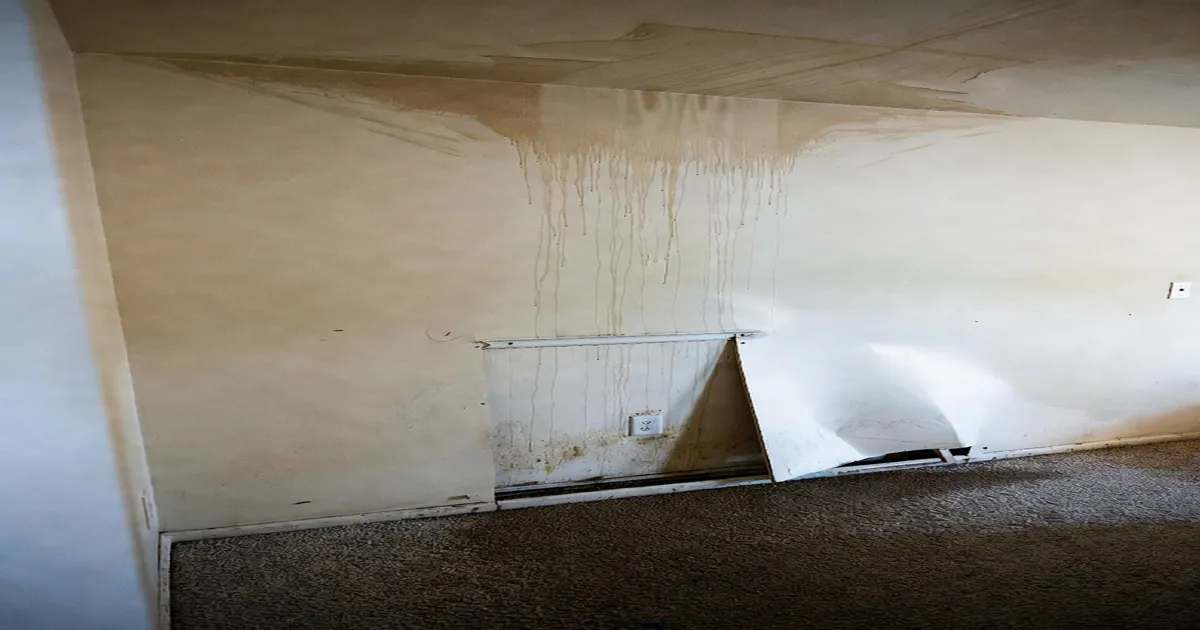
The documentation requirements for a Florida mold-based lease termination are precise. Keep originals and digital copies of: every communication with the landlord about the mold (email, text, voicemail transcriptions, written letters), every photograph and video of the mold with timestamps, every maintenance request, the 7-day notice with certified mail receipts, the return receipt card signed by the landlord, the licensed MRSA assessment report, any medical records documenting mold-related symptoms, any moving expenses and the cost of temporary lodging, and the keys-returned documentation. This documentation serves three purposes: it defends against any eviction action the landlord might file, it supports the security deposit recovery action, and it creates the evidentiary record if the landlord later claims the tenant abandoned the property or caused damage. A Florida tenant with a complete documentation file and a licensed MRSA report rarely has difficulty recovering the deposit and terminating the lease cleanly. A Florida tenant who moves out without the documentation chain often pays both the early termination penalty and loses the deposit. Call Mold Rid Of at (786) 616-6307 before you send the 7-day notice. The assessment report produced before notice delivery is always more effective than one produced after the fact.
Frequently Asked Questions
Can I legally break my lease because of mold in Florida?
Yes, under two legal theories. The statutory path under Florida Statute 83.56(1)(a) allows lease termination if the landlord fails to cure a material habitability defect within 7 days of proper written notice. The common-law path, constructive eviction, allows termination when the landlord's failure makes the unit effectively uninhabitable. Both paths require documentation, and mold complaints without an independent MRSA assessment almost always fail.
What is constructive eviction in Florida?
Constructive eviction is a Florida common-law doctrine that treats a tenant as 'evicted' when the landlord's breach of habitability is so severe that the tenant is forced to vacate. Classic examples include loss of essential services (water, power, working plumbing) and severe habitability violations. Widespread mold growth with documented health effects, paired with landlord failure to remediate, is a common basis for constructive eviction actions in Florida.
Which path should I use for a mold lease break?
The statutory 83.56 path is usually faster and cleaner because it has defined procedural steps and explicit statutory remedies. Use the statutory path when the mold is documented, the moisture source is clear, and the landlord has failed to cure after proper 7-day notice. Use constructive eviction when the situation is more complex or the landlord has been nonresponsive over a longer period without the tenant having sent formal statutory notice.
What happens to my security deposit if I break the lease for mold?
If the termination is proper under Statute 83.56(1)(a), the tenant is entitled to return of the full security deposit and any unearned prepaid rent. Landlords sometimes retain the deposit anyway and force the tenant to sue under Statute 83.49 to recover. A licensed MRSA #3958 assessment report dramatically increases the tenant's likelihood of recovering the deposit because it documents the habitability defect that triggered the termination.
How fast can I actually vacate after sending the 7-day notice?
Under Statute 83.56(1)(a), if the landlord does not cure within 7 days of proper written notice, the tenant may terminate and vacate immediately after the 7-day period ends. Rent is prorated to the date of vacating, and the security deposit and any prepaid rent must be returned. Do not move out before the 7 days expire because early vacancy weakens the statutory termination claim.
