Mold Assessment After a Hurricane in Florida: Emergency Guide
Florida Licensed Mold Assessor; MRSA #3958
After the Storm: Why Mold Is the Second Disaster Florida Homeowners Face
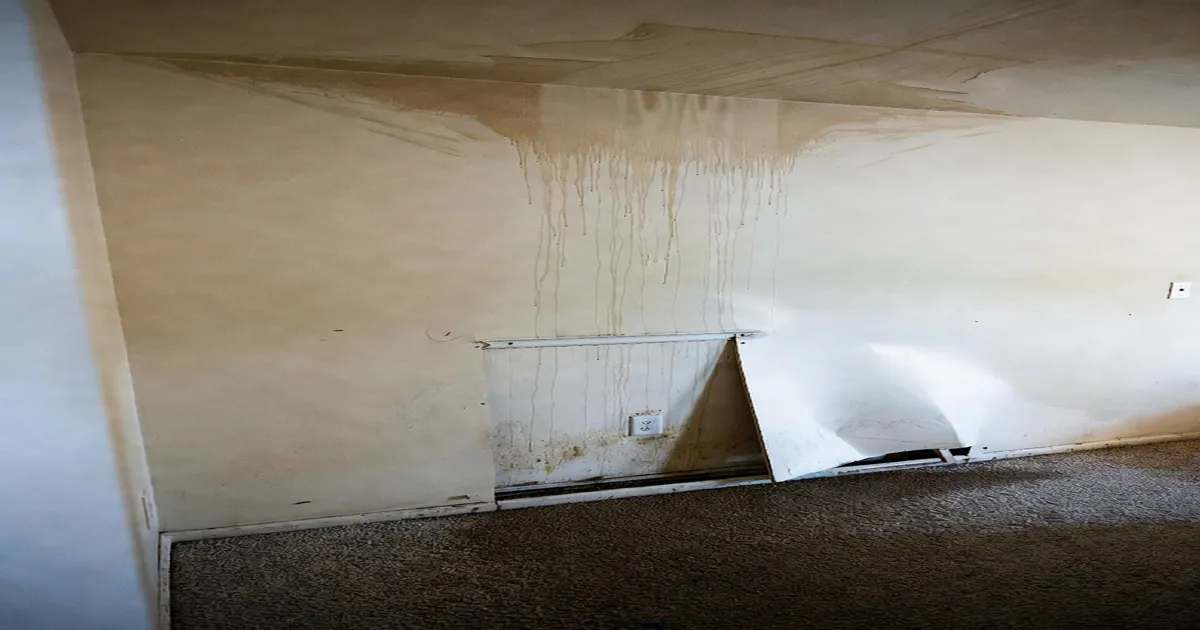
After a hurricane or tropical storm hits Florida, the clock starts ticking on mold growth. With the combination of flooding, roof damage, broken windows, and power outages (no AC dehumidification), mold can begin colonizing within 24–48 hours of water intrusion. Taking fast action to assess your property is critical for both your health and your insurance claim.
The 24 to 48 Hour Urgency Window After Hurricane Water Intrusion
Why urgency matters: Mold spores are always present in Florida's air, but they need moisture to grow. After a hurricane, every wet surface in your home becomes a potential mold colony. Drywall, wood framing, carpet padding, and insulation are especially vulnerable. If standing water or wet materials aren't addressed within 48–72 hours, mold growth can become severe, costly, and potentially dangerous to your health.
The CDC advises that mold can begin growing within 24–48 hours after flooding, making rapid assessment critical. → CDC Mold & Moisture
Step-by-Step: What to Do Before the Licensed Assessor Arrives
Immediate steps to take: 1) Document all water damage with photos and video before touching anything. 2) Contact your insurance company to open a claim. 3) Schedule a professional mold assessment with a licensed assessor (MRSA). 4) Do NOT begin remediation until an independent assessment is completed; this protects your insurance claim. 5) If possible, run dehumidifiers and increase ventilation to slow mold growth while waiting for the assessment.
The Florida Department of Health provides indoor air quality resources for homeowners dealing with post-storm contamination. → FL Dept of Health, Indoor Air Quality
Documenting the Damage for Your Insurance Carrier Claim
Insurance claim protection: Having an independent mold assessment from a licensed, assessment-only company is helpful for your insurance claim. Reports from assessors who have no financial tie to remediation companies are typically easier for adjusters to review because the assessor has no incentive to inflate scope. At Mold Rid Of, priority scheduling is available for active water intrusion when schedule capacity allows, so we can be on-site quickly after a storm. Our reports are designed for review by insurance carriers, lenders, title companies, or adjusters. Call (786) 616-6307 for post-hurricane assessments.
FEMA recommends documenting all mold damage with professional reports to support insurance claims after federally declared disasters. → FEMA

