Why Bleach Won't Fix Your Mold Problem
Florida Licensed Mold Assessor; MRSA #3958
The Most Persistent Mold Myth in American Homes
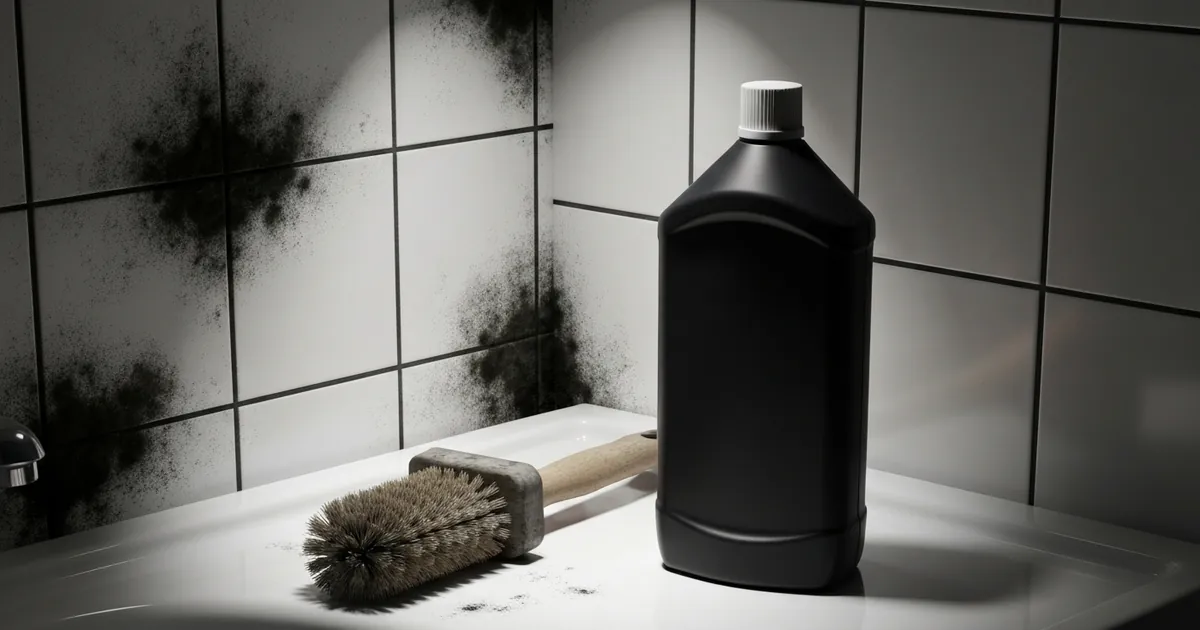
If I had a dollar for every homeowner who told me they already 'took care of' their mold problem with bleach, I could retire tomorrow. It's probably the most common mistake I see, and I understand why people do it. You spot mold on a wall or in a bathroom, you grab the bleach, you spray it down, and the mold disappears. Problem solved, right? Not even close. What actually happened is that you bleached the color out of the surface mold while the living organism underneath remained completely intact. Within a few days or weeks, the mold comes back, often worse than before. I've been inspecting homes across South Florida for years, and the 'I already bleached it' homes consistently have some of the worst mold problems I encounter. The bleach creates a false sense of security that delays proper action, and during that delay, the mold continues to spread through wall cavities, under flooring, and into areas you can't see.
Why the EPA Pulled Bleach From Its Mold Cleanup Recommendations
The reason bleach doesn't work on mold comes down to basic biology and chemistry. Bleach, which is sodium hypochlorite dissolved in water, is effective at killing bacteria and viruses on non-porous surfaces like countertops and tile. But mold isn't bacteria, and most of the surfaces in your home aren't non-porous. Mold grows by sending root structures called hyphae deep into porous materials like drywall, wood, grout, and carpet. When you spray bleach on a moldy wall, the sodium hypochlorite stays on the surface and whitens the visible mold. But it cannot penetrate into the porous material where the roots are. Meanwhile, the water in the bleach solution does penetrate, and you've just given the mold roots exactly what they need to keep growing: more moisture. The EPA actually removed bleach from its recommended mold cleanup methods years ago for this exact reason. On top of that, scrubbing mold with bleach releases spores into the air. Without proper containment, those spores land on other surfaces throughout the room and start new colonies.
The EPA no longer recommends bleach for mold cleanup on porous surfaces, noting that it cannot penetrate to kill mold roots in materials like drywall and wood. → EPA Mold Cleanup Guide
The Hidden Damage That DIY Bleach Treatment Creates
Beyond being ineffective, using bleach on mold creates additional problems. Mixing bleach with other common household cleaners, particularly anything containing ammonia, produces chloramine gas, which can cause serious respiratory damage. Even bleach used on its own in an enclosed space like a bathroom generates fumes that irritate the lungs, eyes, and throat. For people already dealing with respiratory issues from mold exposure, adding bleach fumes to the mix is genuinely dangerous. There's also the structural damage to consider. Repeatedly applying bleach to drywall, wood trim, or caulking degrades those materials over time, creating more texture and micro-damage where mold can establish itself even more firmly. I've inspected bathrooms where the homeowner had been bleaching the same grout lines for months, and the grout was so deteriorated that moisture was penetrating directly behind the tile into the wall cavity. The mold behind that wall was extensive. Perhaps the worst consequence of the bleach approach is the time it wastes. Every week you spend re-bleaching a mold spot is a week the actual moisture source goes unaddressed.
What Actually Works: Professional Assessment First, Then a Proper Plan
The real solution to a mold problem is never a cleaning product. It's identifying and eliminating the moisture source that's allowing the mold to grow in the first place. Without solving the moisture issue, mold will return no matter what you use to clean it. That's exactly why professional assessment should be your first step, not your last resort. At Mold Rid Of, we locate the moisture source using specialized equipment including moisture meters, thermal imaging cameras, and hygrometers. We take air samples and surface samples to identify what types of mold are present and how elevated the spore counts are. We hold MRSA License number 3958 and are IICRC certified, and because we only perform assessment and never remediation, our findings are completely unbiased. We tell you what's happening in your home and provide a detailed report so you can hire a remediation company with confidence, knowing exactly what needs to be addressed. If you've been dealing with recurring mold and bleach hasn't solved it, that's the expected outcome. Put down the bleach bottle and call Mold Rid Of at (786) 616-6307 or visit moldridof.com.
