What Actually Happens During a Professional Mold Inspection in Florida
Florida Licensed Mold Assessor; MRSA #3958
Walking You Through the Florida Mold Inspection from Start to Finish
Most people have never seen a mold inspection. They picture someone walking around with a flashlight, pointing at dark spots, and handing over a bill. The reality is more technical than that, and it should be. When I show up to a property, I am carrying about $15,000 worth of equipment and the inspection follows a specific protocol. Here is what a real inspection looks like, step by step.
The Visual Assessment: What the Licensed Assessor Is Actually Looking At
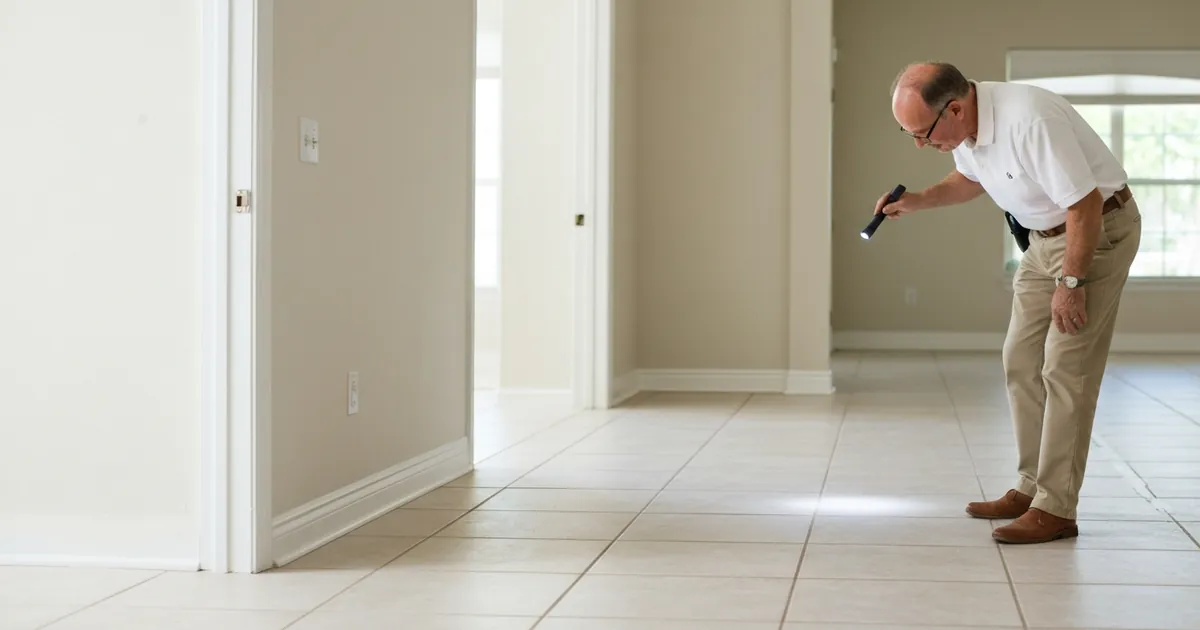
The inspection starts with a full visual walkthrough. I check every room, starting with the areas most likely to have moisture problems: bathrooms, kitchens, laundry rooms, under sinks, around windows, and the HVAC system. I am looking for visible mold growth, water stains, warped materials, peeling paint, and musty odors. In Florida, I pay extra attention to the AC unit and ductwork because our humidity pushes condensation into places most homeowners never see. This visual assessment usually takes 30 to 45 minutes depending on the property size.
The EPA recommends thorough visual assessment as the first step in any mold evaluation, focusing on areas with moisture or water damage history. → EPA Mold Guide
FLIR Thermal Imaging: Finding Moisture Without Cutting Into Walls
After the walkthrough, I bring out the thermal imaging camera. This is where most inspections separate from the 'clipboard and flashlight' approach. Thermal imaging detects temperature differences behind walls, ceilings, and floors. Moisture trapped inside a wall shows up as a cold spot because evaporation cools the surface. I have found active leaks inside walls that had zero visible signs from the outside. Without thermal imaging, those leaks would go undetected until the mold spread far enough to become visible, and by then the damage is significantly worse.
Air and Surface Sampling: Chain of Custody to the AIHA Lab
Next comes air sampling. I place calibrated spore traps at strategic points inside the property and one outside for a control baseline. The samples go to an AIHA-accredited third-party laboratory (not our lab, because we do not own one, and that is intentional). The lab identifies the types and concentrations of mold spores present. I also take surface samples when I see suspicious growth. These results tell us exactly what we are dealing with: the species, the concentration, and whether the levels are normal for Florida or elevated.
AIHA-accredited laboratories follow standardized protocols for mold spore identification and quantification, ensuring reliable and legally defensible results. → AIHA Laboratory Accreditation
The Final Report: What You Receive and How Insurance Uses It
Within 24 to 72 hours (or next day if you choose our express option), you receive a detailed written report. It includes the thermal imaging findings, moisture readings, lab results with species identification, photographs of every area inspected, and a clear recommendation. If remediation is needed, the report includes a protocol that any licensed remediator can follow. You own this report. You take it wherever you want. That is the difference between an independent assessment and a sales visit.
