Mold on Windows and Wood in Florida: What It Means and When to Call a Professional
Florida Licensed Mold Assessor; MRSA #3958
Mold on Windows and Wood in Florida: The Most Common Homeowner Question
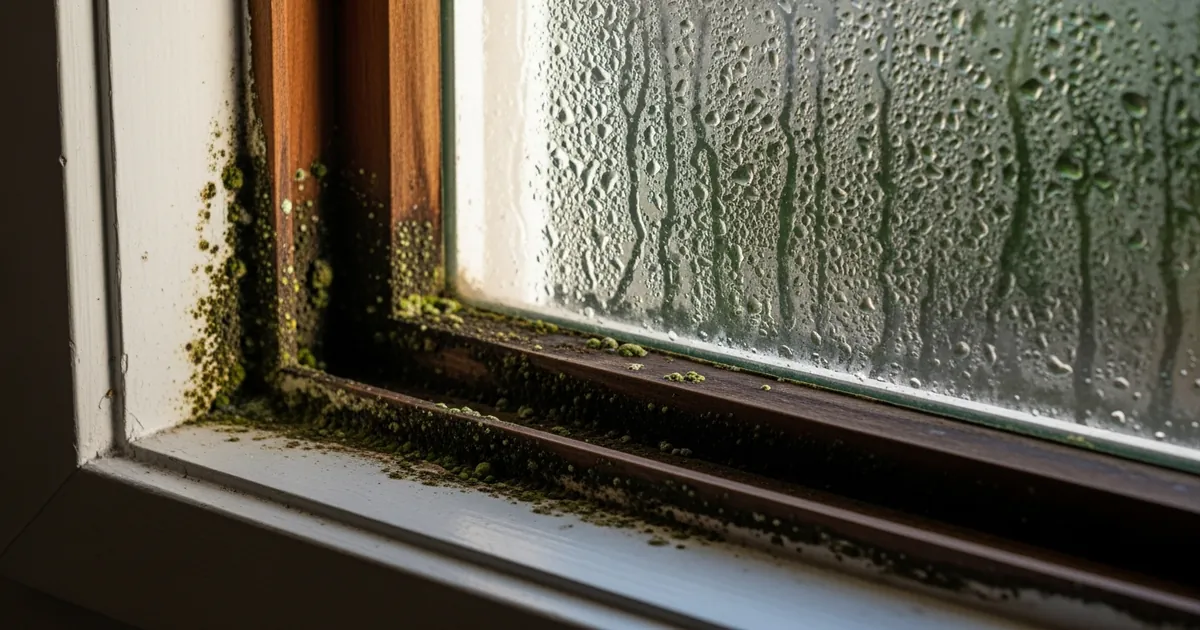
Mold on windows and wood surfaces is one of the most common issues I see during mold inspections in Florida. Homeowners often ask if they can just wipe it off with vinegar or bleach and move on. Sometimes the answer is yes, but more often, visible mold on windows and wood frames is an indicator of a larger moisture problem that surface cleaning will not solve. Understanding the difference can save you from expensive remediation later. Mold needs three things to grow: moisture, warmth, and an organic food source. Windows provide all three in Florida: condensation supplies the water, our climate supplies the warmth, and dust, caulk, and wood frames supply the food. But here is the distinction that matters: mold growing on the glass surface of a window is a condensation issue that can typically be managed with better ventilation. Mold growing on or into wooden window frames, sills, or surrounding drywall indicates sustained moisture that may have already penetrated the building envelope.
Why Condensation and Subtropical Humidity Target These Surfaces First
Windows are the most common condensation point in Florida homes because of the temperature differential between air-conditioned interiors and the hot, humid outdoor air. When warm, moisture-laden outdoor air contacts the cooler glass surface, water droplets form. In Florida, where average annual humidity is 83% in Miami, 87% in Tampa, 90% in Orlando, and 89% in Fort Myers, this condensation is nearly constant during summer months. Single-pane windows and older double-pane windows with broken seals are especially vulnerable. The condensation collects in window tracks and on sills, creating a persistent moisture source. Mold cannot extract nutrients from glass or metal, but it readily grows on the layer of dust, pollen, and organic debris that accumulates on window surfaces. On wood frames, however, the mold has a direct food source. Mold hyphae (the root-like filaments) penetrate into the wood grain, decomposing the cellulose. This is why you can scrub visible mold off a wooden windowsill and see it return within days: the hyphae are still alive beneath the surface, and the moisture source has not been addressed. Wood furniture and door frames face a similar problem when placed against exterior walls where humidity migrates through the building envelope.
The EPA recommends maintaining indoor humidity below 60% to prevent mold growth on surfaces, with ideal levels between 30% and 50%. → EPA Moisture & Mold Prevention
When DIY Cleaning Is Safe and the Exact Steps to Follow
For surface mold on non-porous window components (glass, aluminum, vinyl), DIY cleaning is usually adequate. Wear protective gear: an N95 mask, gloves, and goggles. Use a spray bottle with undiluted white vinegar (which kills approximately 82% of mold species) or a solution of 1 part hydrogen peroxide to 2 parts water. Spray the surface, let it sit for 10 minutes, then scrub with a stiff brush and wipe clean. Do not use bleach on mold. Bleach does not penetrate porous materials, and the water content in bleach can actually feed mold growth on wood and drywall. After cleaning, address the condensation: run a dehumidifier to keep indoor humidity below 60%, ensure bathroom and kitchen exhaust fans vent to the outdoors (not into the attic), and consider upgrading single-pane windows to impact-rated double-pane if your budget allows. However, DIY cleaning has limits. If mold has penetrated into wood grain (the wood feels soft, discolored deeper than the surface, or the mold returns within days of cleaning), surface treatment will not solve the problem. If mold extends beyond a 10-square-foot area, the EPA recommends professional assessment.
When You Actually Need a Licensed Professional Instead of a Sponge
Call a licensed mold assessor when mold keeps returning after cleaning, when you see mold on wood that has gone soft or shows signs of decay, when mold appears around multiple windows throughout the home (indicating a building-wide moisture issue rather than isolated condensation), when you notice a musty smell near windows or walls even after cleaning visible mold, or when anyone in the household reports respiratory symptoms. These situations suggest that what you see on the surface is a fraction of the actual contamination. In many Florida homes I assess, mold on window sills turns out to be connected to mold inside the wall cavity where moisture has been migrating through the building envelope. Thermal imaging can reveal moisture patterns behind walls without opening them up. Air sampling tells you if mold spores have become airborne and spread beyond the visible area. Under Florida Statutes Chapter 468, a licensed mold assessor (MRSA) must remain independent from remediation companies. This separation protects you from inflated findings designed to sell unnecessary remediation work.
Florida Statutes Chapter 468 requires licensed MRSA assessors for professional mold assessment, ensuring independent and unbiased testing. → Florida Statutes Chapter 468
The Decision Framework and How to Schedule an Assessment
If mold on your windows or wood surfaces is more than a surface issue, schedule a professional assessment before spending money on remediation. At Mold Rid Of, we hold MRSA License 3958 and perform assessment only. We use thermal imaging to locate moisture sources, collect air and surface samples, and send everything to an AIHA-accredited laboratory for species identification and spore counts. Our report tells you exactly what you are dealing with, where it is coming from, and what remediation protocol is appropriate. If remediation is needed, we provide the protocol for a separate licensed remediator (MRSR) to follow, and we return for clearance testing after the work is done. This independent model, required by Florida law, ensures you get honest results. Call Mold Rid Of at (786) 616-6307 for your mold assessment.
