Can Mold Cause Insomnia? Mold Allergy Symptoms Explained
Florida Licensed Mold Assessor; MRSA #3958
The Night-Time Mystery: When Your Bedroom Is Making You Sick
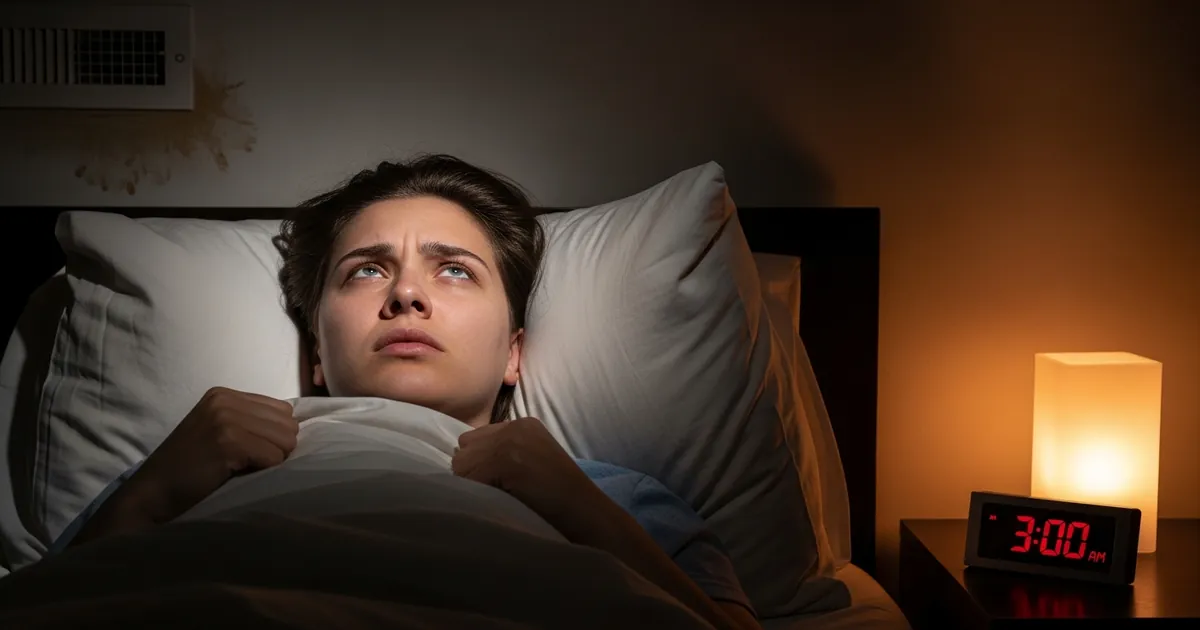
Many homeowners in Florida suffer from unexplained sleep issues, chronic fatigue, and nighttime congestion without realizing the true culprit might be hidden right above them. If you've been asking 'Can mold prevent me from sleeping?', the answer is absolutely yes.
The Full List of Mold Allergy and Respiratory Symptoms
Mold allergy symptoms often peak at night because you spend 8 hours breathing the air in a single enclosed room. Typical symptoms include severe nasal congestion, a scratchy throat, coughing, watery eyes, and even sleep apnea-like breathing interruptions. The body's immune response to mycotoxins actively disrupts your natural sleep cycles.
The CDC notes that indoor exposure to mold can trigger asthma symptoms, upper respiratory tract symptoms, and severe allergic reactions in sensitive individuals. → CDC Mold Guidelines
The Science of How Mold Disrupts REM Sleep and Causes Insomnia
Scientific studies show that individuals living in damp, moldy indoor environments are 90% more likely to experience insomnia and daytime fatigue. Furthermore, toxic black mold (Stachybotrys) can cause neurological symptoms, making it physically harder to achieve deep REM sleep.
When to Stop Guessing and Get a Professional Indoor Air Test
If you suspect mold is affecting your sleep, a medical doctor can treat your symptoms, but you must treat the environment to heal. Our licensed mold assessors use thermal imaging to find hidden moisture behind your bedroom walls and take air samples while you sleep, sending them to an AIHA-accredited lab for exact species identification.
The American College of Occupational and Environmental Medicine standard emphasizes proper environmental diagnostic testing via licensed professionals. → ACOEM Guidelines
