Black Mold in Florida: What Homeowners Need to Know About Stachybotrys
Florida Licensed Mold Assessor; MRSA #3958
Black Mold vs Stachybotrys: Why the Name Matters
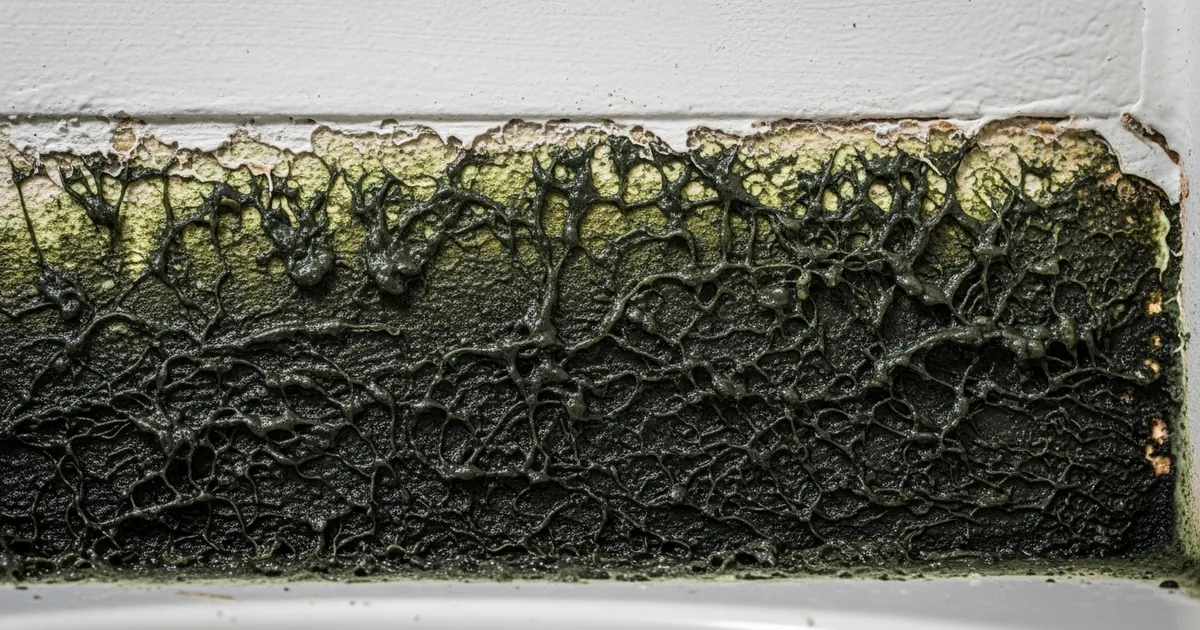
Black mold is probably the most searched and most misunderstood topic in the entire mold industry. Every week, I get calls from Florida homeowners who found dark-colored mold in their bathroom, closet, or behind furniture and immediately assumed it was toxic black mold. The truth is more nuanced than what you'll find in most search results, and understanding the difference could save you from unnecessary panic or, conversely, from ignoring a real health hazard. When people say black mold, they are almost always referring to Stachybotrys chartarum (sometimes called Stachybotrys atra), a specific genus of mold that produces mycotoxins under certain conditions. Stachybotrys is greenish-black and slimy in appearance and requires very specific conditions to thrive: sustained moisture (not just humidity, but actual water contact), cellulose-rich materials like drywall paper or ceiling tiles, and typically 72 hours or more of continuous wetness. It is not the most common mold I find during inspections in Florida. Aspergillus, Cladosporium, and Penicillium are far more prevalent. But Stachybotrys gets all the attention because of its potential to produce satratoxins, trichothecenes, and other compounds that can affect human health.
The Documented Health Effects of Stachybotrys Chartarum Exposure
The health effects of black mold exposure depend on several factors: the concentration of spores in the air, the duration of exposure, the person's immune system, and whether the mold is actively producing mycotoxins. Not all Stachybotrys colonies produce mycotoxins at all times. However, when they do, the potential health effects are serious. Short-term exposure can cause persistent coughing, sneezing, watery eyes, skin irritation, and headaches. Longer-term exposure, especially in immunocompromised individuals, children, and the elderly, has been linked to chronic respiratory issues, neurological symptoms including difficulty concentrating and memory problems, chronic fatigue, and in rare cases, pulmonary hemorrhaging in infants (a connection studied by the CDC in the late 1990s in Cleveland, Ohio). The critical point is this: you cannot determine whether mold is producing mycotoxins by looking at it. Visual identification alone cannot confirm Stachybotrys, and even confirmed Stachybotrys may or may not be actively toxic. This is why air sampling and laboratory analysis by an AIHA-accredited lab is the only reliable way to assess the risk. Surface samples can identify the genus, but air samples tell you what you are actually breathing.
The CDC acknowledges that Stachybotrys chartarum and other mold species can produce mycotoxins that may cause health effects in sensitive individuals. → CDC Mold & Health
Research published in the Journal of Allergy and Clinical Immunology has linked chronic indoor mold exposure to respiratory symptoms and neurological complaints. → JACI Research
How to Identify Stachybotrys vs the Common Look-Alikes
Most dark-colored mold in Florida homes is NOT Stachybotrys. Aspergillus niger (black Aspergillus), Cladosporium, and other common species can appear dark green, dark brown, or black. During inspections, I regularly find Cladosporium on bathroom ceilings and Aspergillus in HVAC systems, both appearing very dark but behaving very differently from Stachybotrys. The only way to positively identify the mold species is laboratory analysis: either air sampling (spore trap analysis) or surface sampling (tape lift or swab). This is exactly what we do during a mold inspection. We collect samples following strict chain-of-custody protocols and send them to an AIHA-accredited laboratory. Results typically come back within 24 to 48 hours and identify every genus present, along with spore counts per cubic meter of air. If Stachybotrys is present, our report will note it specifically and recommend appropriate remediation protocols that address the specific contamination level.
The EPA recommends professional mold testing when health symptoms are present, as visual identification alone cannot determine mold species or toxicity. → EPA Mold Testing
Why Florida Climate Makes Stachybotrys More Common Here
Florida's climate creates conditions that favor all types of mold, including Stachybotrys in specific scenarios. The most common situations where I find black mold in Florida homes include: behind drywall where a slow plumbing leak has been dripping for weeks or months, under kitchen and bathroom sinks with persistent drips, in homes that experienced flooding or hurricane water intrusion and were not dried within 48 hours, around HVAC air handlers where condensate line backups have soaked ceiling tiles or drywall, and in crawl spaces and attics where roof leaks go undetected. The pattern is always sustained, active moisture on cellulose material. Florida's 75%+ relative humidity alone is usually not enough to support Stachybotrys growth. The mold needs liquid water contact. This is actually useful information for homeowners: if you have dark mold in a bathroom that stays damp but never has standing water, it is more likely Cladosporium or Aspergillus than Stachybotrys. But again, only lab testing can confirm this.
Florida Statutes Chapter 468 requires all mold assessments to be performed by licensed MRSA assessors, with mandatory separation from remediation services. → Florida Statutes Chapter 468
What to Do Next: Lab Testing by a Licensed MRSA Assessor
If you suspect black mold in your Florida home, here is what to do: First, do not disturb it. Scrubbing or wiping mold without proper containment releases spores into the air and can spread contamination to other areas. Do not spray bleach on it, as bleach does not penetrate porous materials and can actually increase moisture levels, making the problem worse. Second, call a licensed mold assessor for professional air sampling and species identification. At Mold Rid Of, we hold MRSA License 3958 and perform assessment only, never remediation. This means our findings are assessment-only, with no financial incentive to exaggerate results. We collect air and surface samples, send them to an AIHA-accredited lab, and deliver your report with species identification, spore counts, and specific remediation recommendations within 24 to 48 hours. If Stachybotrys is confirmed, you will need a licensed mold remediator (MRSR) to handle the cleanup under containment. Our report provides the remediation protocol they will follow, and we return after remediation for clearance testing to confirm the air is safe. Call Mold Rid Of at (786) 616-6307 for your black mold assessment.
